



What Is Spinal Decompression Therapy? A Beginner’s Guide for Patients
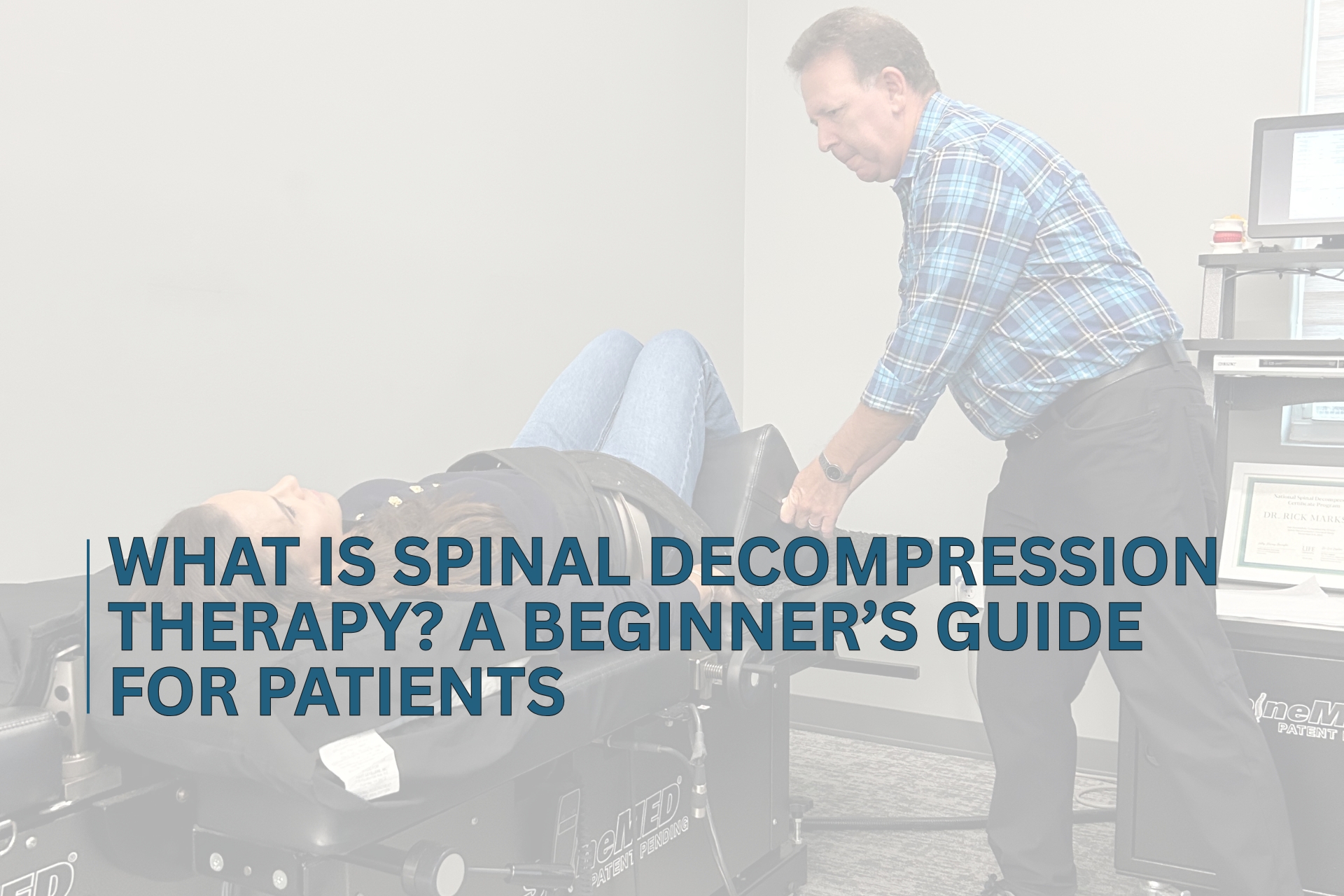
Spinal decompression therapy is a non-surgical treatment that uses traction to relieve pressure on spinal discs and nerves.
This technique gently stretches the spine to create space between vertebrae. That reduces pressure on intervertebral discs and spinal nerves. It's often recommended for conditions like herniated discs, degenerative disc disease, sciatica, or spinal stenosis.
What Makes Spinal Decompression Different?
Unlike spinal surgery, non-surgical spinal decompression avoids cutting or fusing bones. It’s typically done on a motorized decompression table in a clinical setting. This type of spinal traction therapy uses precise movements to promote healing and relieve nerve compression.
Common Misconceptions Cleared
- It’s not invasive: Many confuse it with surgery. It’s entirely external and non-invasive.
- It doesn’t crack the spine: Unlike manual chiropractic adjustments, decompression applies sustained, controlled pressure.
- It’s not just stretching: The key is negative intradiscal pressure, which draws nutrients into the discs and helps reposition herniated material.
Who Is It For?
Spinal decompression is ideal for patients dealing with:
- Chronic lower back pain
- Bulging or herniated discs
- Degenerative disc conditions
- Sciatic nerve pain
People who want to avoid surgery or reduce long-term reliance on medication often turn to this therapy.
Next, you’ll learn exactly how spinal decompression therapy works, including what happens during each session.
How Spinal Decompression Therapy Works
Spinal decompression therapy works by creating negative pressure within the spinal discs to encourage retraction of herniated material and increase disc hydration.
Mechanism: Negative Intradiscal Pressure
Motorized traction systems pull the spine in controlled directions. This gentle spinal stretch reduces pressure on the disc and nerves. It allows intervertebral discs to rehydrate, drawing in oxygen and nutrients that support healing.
Key elements of the process include:
- Vertebral separation: Small, controlled gaps form between vertebrae.
- Spinal stretch: Reduces compression on nerve roots.
- Disc retraction: Herniated or bulging material can retract.
- Nutrient flow: Fluids, oxygen, and nutrients enter the disc space.
What Happens During a Session?
Why It’s Effective
A 2016 study in the Journal of Physical Therapy Science found spinal decompression significantly improved symptoms of herniated discs in over 68% of patients within 8 weeks of regular treatment.
In the next section, we’ll break down who can benefit from this therapy and when it’s not recommended.
Who Should Consider Spinal Decompression Therapy?
Spinal decompression is best for patients with disc-related issues, nerve compression, or chronic lower back pain that hasn’t improved with conservative care.
Ideal Candidates
People who benefit most from spinal decompression often have:
- Herniated or bulging discs
- Degenerative disc disease
- Sciatica or nerve root compression
- Facet joint syndrome
- Posterior disc protrusion
Screening and Diagnostics
Before starting therapy, professionals use:
- MRI scans: To verify disc damage or nerve impingement.
- Physical assessment: Checks mobility, pain areas, and posture.
- Medical history review: To rule out risks like osteoporosis or fractures.
Contraindications and Exclusions
Decompression is not safe for patients with:
- Spinal fractures
- Severe osteoporosis
- Infections in the spine
- Metal implants in the spine
- Post-operative spinal fusion (in some cases)
Always consult a qualified provider for candidacy screening. Misuse can worsen symptoms in vulnerable patients.
Now that you understand if this therapy is right for you, let’s look at the benefits many patients report after treatment.
Benefits of Spinal Decompression Therapy
Spinal decompression therapy provides long-term back pain relief, improves mobility, and may help patients avoid surgery.
Proven Advantages
- Pain reduction: Relief from nerve compression and disc pressure.
- Improved spinal alignment: Posture and movement patterns often improve.
- Disc rehydration: Promotes nutrient flow and tissue healing.
- Enhanced mobility: Flexibility increases with reduced inflammation.
- Surgical alternative: Many avoid back surgery through consistent decompression therapy.
How It Supports Healing
- Spinal decompression stimulates spinal fluid flow, which carries nutrients to the intervertebral discs.
- As discs rehydrate, disc height improves, reducing the risk of nerve pinching.
- Regular sessions interrupt pain signals and decrease inflammation at the nerve root.
A 2019 meta-analysis in Pain Physician Journal concluded that decompression therapy reduced chronic back pain by up to 60% over a 12-week period.
You’ve now seen the benefits. But like all medical treatments, there are risks.
The next section explains what patients should consider before beginning therapy.
Risks and Limitations of Spinal Decompression Therapy
While generally safe, spinal decompression therapy has specific limitations and contraindications that must be respected.
Potential Risks
- Worsening symptoms: Improper traction settings may increase pain.
- Nerve irritation: Rare, but possible if sessions are not well-monitored.
- Dizziness or muscle spasms: Usually temporary and mild.
- Treatment ineffectiveness: Some conditions do not respond to decompression.
Who Should Avoid It?
Avoid therapy if you have:
- Recent spinal fractures
- Tumors near the spine
- Advanced osteoporosis
- Abdominal aortic aneurysm
- Surgical implants in the spine
How to Reduce Risks
- Get a full medical evaluation before treatment.
- Choose a licensed provider with spinal decompression certification.
- Monitor your symptoms and adjust session intensity if discomfort increases.
If you’re cleared for therapy, here’s what to expect during your first session.
What to Expect During a Spinal Decompression Session
Each spinal decompression session lasts 15 to 30 minutes and involves lying comfortably on a motorized decompression table while your spine is gently stretched.
The Setup Process
- You’re positioned on a motorized decompression table in a quiet, clinical setting.
- A technician straps your torso and lower body to stabilize your spine.
- The computer system controls the traction force based on your treatment plan.
The Experience
- The therapy alternates between gentle pulling and rest phases.
- You might feel a stretch in your back or legs, but no pain.
- Many patients report a sense of relaxation or pressure relief.
- The session ends with a brief resting period before you stand up.
Comfort and Monitoring
- A trained technician stays with you.
- The table adjusts in real time based on feedback.
- Session frequency is usually 2–4 times per week for 4–8 weeks, depending on your condition.
You now know how a session feels and what’s involved. To wrap up the guide, let’s answer the most common patient questions.
FAQs About Spinal Decompression Therapy
Is spinal decompression covered by insurance?
Sometimes. Coverage depends on your provider and the diagnosis. Some insurers classify it under chiropractic or physical therapy benefits, while others exclude it as experimental.
How long until I see results?
Most patients notice improvement within 2–4 weeks. For chronic conditions, full relief may take 6–8 weeks with consistent sessions.
Can I do spinal decompression at home?
Yes, but with caution. Home devices exist, like inversion tables and lumbar traction units. However, they lack medical supervision, which increases the risk of misuse.
How long do results last?
Relief can last months or years if supported by core exercises, posture correction, and lifestyle changes. Follow-up maintenance sessions may help long-term recovery.
Who can perform spinal decompression therapy?
Licensed professionals such as:
Chiropractors, Physical therapists, Pain management doctors.
They use FDA-cleared machines and tailor protocols based on imaging results and your specific condition.
What’s the average cost?
Session costs range from $50 to $200 depending on location, provider credentials, and treatment plan. Packages of multiple sessions may offer savings.
Struggling with Back Chronic Pain in South Florida?
Discover how Spinal Decompression Therapy can offer lasting relief from disc-related back and neck pain—completely drug-free and non-invasive.
We Offer:
🔹Advanced Spinal Decompression Therapy — A proven, FDA-cleared solution to relieve pressure from herniated discs, sciatica, bulging discs, and degenerative disc disease. Backed by clinical studies with long-term success in reducing pain and restoring function.
🔹Tailored Treatment Plans — Every session is customized to your condition, guided by experienced spinal care professionals committed to measurable improvement.
🔹Compassionate, Supportive Team — At every stage of your journey, we put your comfort and recuperation first.
🔹Expert Leadership — Our care is led by renowned specialists in non-surgical spinal care and rehabilitation.
Learn More:
📘 What is Spinal Decompression Therapy?
📘 What to Expect During Your First Session
📘 Non-Surgical Relief for Herniated Discs—Real Success Stories
📘 Which Conditions Benefit from Spinal Decompression?
Visit Us:
📍 Conveniently located at 100 NW 100th Ave, Plantation, serving Palm Beach, Fort Lauderdale, and Miami.
💬 Over 1,000+ sessions successfully completed with a patient-first philosophy.
🏥 Trusted by chiropractic and pain management professionals throughout South Florida.
Take the First Step Toward a Pain-Free Life
Contact Spinal Decompression Therapy Institute today or call us at +1 954-472-7975.
No medications. No surgery. Just results.
👉 Follow us for patient stories, expert advice, and daily updates: