




Spinal decompression for facet joint irritation: what to know
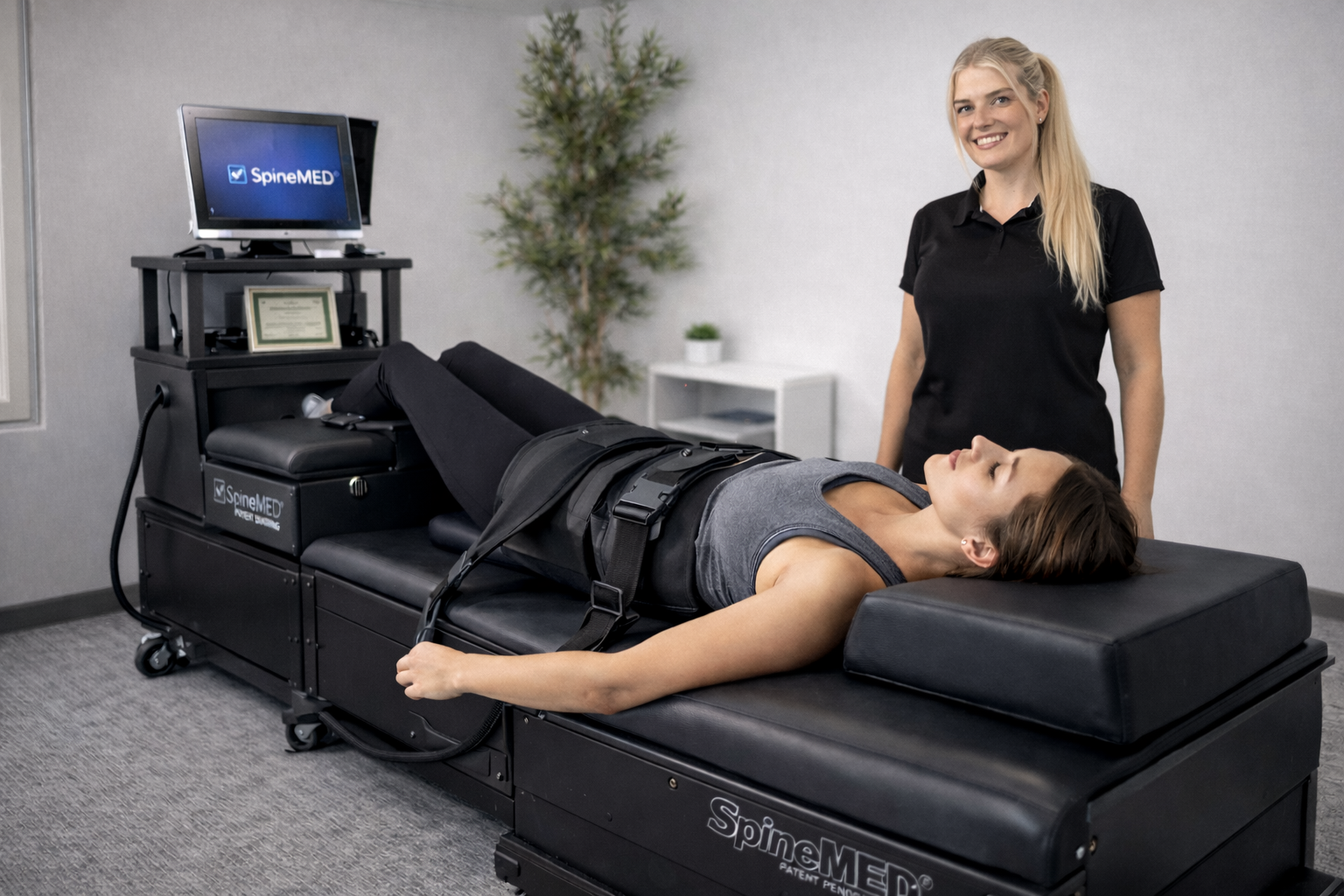
Facet joint irritation is a common but often overlooked source of chronic neck and lower back pain. For patients seeking non-surgical solutions, spinal decompression therapy has emerged as a clinically supported option within physical medicine and rehabilitation.
This guide explains the condition, how decompression works, who it helps, and what outcomes you can realistically expect—grounded in current medical understanding.
Understanding Facet Joint Irritation
Facet joints are small stabilizing joints located at each level of the spine. They guide motion, support load distribution, and help maintain proper spinal alignment. When these joints become inflamed or degenerated, they can cause localized pain and stiffness.
What Causes Facet Joint Pain?
Facet joint irritation typically develops due to mechanical stress and degenerative changes, including:
- Cartilage wear and tear (osteoarthritis)
- Repetitive spinal extension (common in athletes or manual labor)
- Poor posture increasing lumbar stress
- Acute trauma or injury
- Age-related decline in joint lubrication
Major medical institutions such as the Mayo Clinic and Cleveland Clinic recognize facet joint degeneration as a frequent contributor to chronic spinal pain.
Common Symptoms
Patients with facet joint irritation often report:
- Localized neck or lower back pain
- Stiffness after inactivity (e.g., in the morning)
- Pain that worsens with extension or twisting
- Reduced spinal mobility
- Occasionally, referred discomfort due to nearby nerve irritation
How Is It Diagnosed?
Diagnosis typically involves:
- Physical examination (extension-rotation testing)
- Imaging (MRI or CT scans)
- Diagnostic facet joint injections (to confirm pain source)
How Spinal Decompression Therapy Works
Spinal decompression therapy is a non-invasive traction-based treatment designed to reduce pressure within the spine and promote healing.
Mechanism of Action
During treatment, controlled mechanical traction gently stretches the spine, producing:
- Negative intradiscal pressure, which may help reposition disc material
- Increased space between vertebrae, reducing joint compression
- Improved circulation of oxygen, water, and nutrients
- Relaxation of surrounding muscles and soft tissues
This combination supports both mechanical unloading and biological recovery.
What Happens During a Session?
A typical session includes:
- Positioning on a motorized decompression table
- Customized traction cycles based on body weight and condition
- Alternating stretch and relaxation phases to prevent muscle guarding
- Continuous monitoring by trained clinicians
Sessions usually last 20–30 minutes.
Clinical Oversight and Safety
Many decompression systems are FDA-cleared Class II medical devices, and treatments are performed under supervision in rehabilitation or chiropractic settings.
Conditions That May Benefit from Decompression
Spinal decompression is commonly used for conditions involving compression and inflammation, including:
- Facet joint syndrome
- Degenerative disc disease
- Herniated or bulging discs
- Sciatica
- Spinal osteoarthritis
By reducing mechanical stress, decompression can help decrease inflammation and improve mobility.
The American Academy of Orthopaedic Surgeons (AAOS) notes that conservative treatments—including traction—can be appropriate for selected patients with back pain.
Effectiveness and Expected Outcomes
What Does the Research Say?
Clinical studies (including those published in The Spine Journal and indexed in PubMed) suggest that non-surgical spinal decompression may provide meaningful pain relief for selected patients, especially when combined with rehabilitation strategies.
However, results vary depending on patient selection and adherence to treatment.
Commonly Reported Benefits
Patients undergoing decompression therapy often experience:
- Reduced pain during daily activities
- Improved spinal mobility
- Decreased reliance on pain medication
- Better tolerance for physical therapy and exercise
Ideal Candidates
You may benefit most if you:
- Have chronic (non-acute) back or neck pain
- Show signs of disc or joint degeneration on imaging
- Prefer non-surgical treatment options
- Are committed to completing a structured care plan
Treatment Timeline
Typical programs involve:
- 2–4 sessions per week
- Over several weeks, depending on severity and response
Important Limitations
Spinal decompression:
- Does not reverse structural degeneration
- Works best as part of a comprehensive treatment plan
- Focuses on symptom relief and functional improvement
Safety and Patient Experience
Is It Safe?
Yes—when performed by trained professionals following proper protocols, spinal decompression is considered safe and well-tolerated.
What Patients Feel
Most patients describe:
- Gentle stretching sensations
- Muscle relaxation
- Minimal discomfort
Possible Side Effects
- Mild soreness after early sessions
- Temporary muscle fatigue
These effects are typically short-lived.
Who Should Avoid It?
Spinal decompression is not recommended for individuals with:
- Spinal fractures
- Tumors or infections
- Advanced osteoporosis
- Certain post-surgical conditions
A proper medical evaluation is essential before starting treatment.
Frequently Asked Questions
Is spinal decompression effective for facet joint pain?
Many patients report improvement, especially when combined with rehabilitation therapies.
Is there downtime?
No—most patients resume normal activities the same day.
How much does it cost?
Costs vary widely depending on provider and treatment plan. Insurance coverage may differ.
Is it a permanent fix?
No. It is part of a long-term management strategy for spinal health.
Get Started: A Patient-Centered Approach
If you're considering spinal decompression for facet joint irritation, the first step is a comprehensive clinical evaluation.
A personalized plan may include:
- Detailed consultation and imaging review
- Customized decompression protocol
- Progress tracking using functional outcomes
- Integration with posture correction and exercise therapy
Medical Disclaimer
This content is for informational purposes only and does not constitute medical advice, diagnosis, or treatment. Always consult a licensed healthcare professional before starting any medical treatment or therapy.
References
- Mayo Clinic Staff. Back pain. Mayo Clinic.
- Cleveland Clinic. Facet Joint Syndrome.
- American Academy of Orthopaedic Surgeons (AAOS). Low Back Pain.
- National Institutes of Health (NIH). Low Back Pain Fact Sheet.
- Chou R, et al. (2017). Noninvasive Treatments for Low Back Pain. Ann Intern Med.
- Gay RE, Brault JS. (2008). Evidence-informed management of chronic low back pain with traction therapy. Spine Journal.
- Apfel CC, et al. (2010). Non-surgical spinal decompression therapy: does the scientific literature support efficacy claims? Anesth Analg.
- U.S. Food and Drug Administration (FDA). Spinal Decompression Devices (Class II).
Take the Next Step
If you're struggling with persistent back or neck pain, a non-surgical approach may help you regain mobility and quality of life.
👉 Schedule a consultation to determine if spinal decompression is right for you.
📞 Or call us at 954-472-7975 to learn more about personalized treatment options.
.png)
.png)
.png)
.png)
.webp)
.webp)
.webp)