




spinal decompression vs physical therapy: FAQs and how to decide
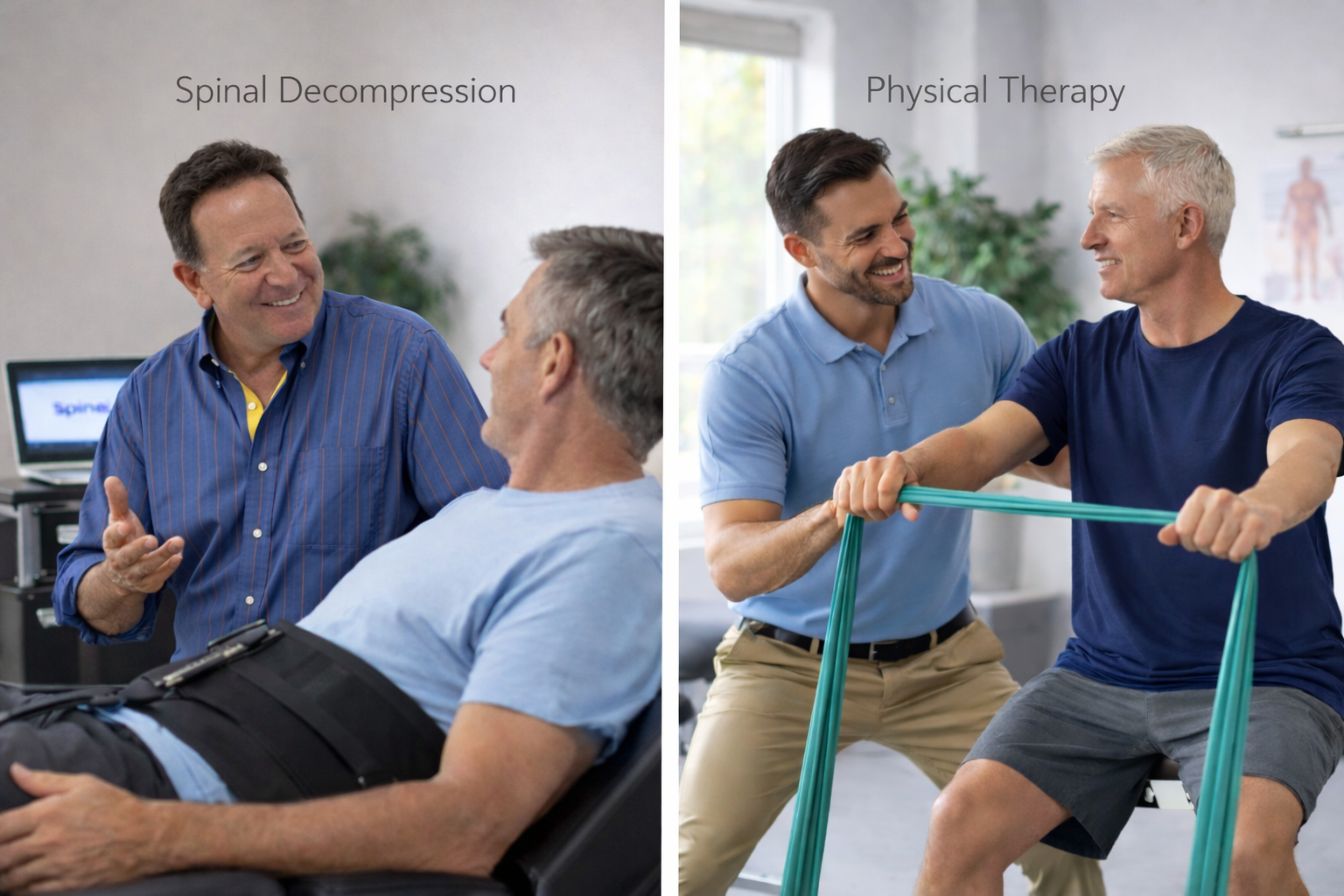
Back pain, disc injuries, and nerve-related conditions such as sciatica are among the most common musculoskeletal problems worldwide. For patients seeking non-surgical care, spinal decompression therapy and physical therapy are two widely recommended options.
Both treatments aim to reduce pain and improve function—but they work through different mechanisms. Understanding these differences can help patients and providers make more informed, evidence-based decisions.
How Spinal Decompression vs Physical Therapy Works
Spinal Decompression Therapy (Passive Mechanical Approach)
Spinal decompression therapy uses controlled mechanical traction to gently stretch the spine. This process is designed to:
- Reduce intradiscal pressure
- Improve disc hydration and nutrient exchange
- Decrease nerve root compression
During treatment, patients lie on a motorized table while cycles of traction and relaxation are applied.
Clinical Perspective: Some studies suggest spinal traction may provide short-term relief for lumbar disc herniation, particularly when nerve compression is present. However, evidence for long-term outcomes remains mixed, and results may depend heavily on patient selection.
Physical Therapy (Active Rehabilitation Approach)
Physical therapy focuses on restoring movement, strength, and stability through guided exercise and functional retraining.
A licensed physical therapist may include:
- Core stabilization exercises
- Postural correction
- Mobility and flexibility training
- Movement retraining for daily activities
Clinical Perspective: Exercise-based rehabilitation is strongly supported in clinical guidelines for managing chronic low back pain and improving long-term outcomes.
Key Difference
- Spinal decompression: Passive treatment targeting disc pressure and nerve compression
- Physical therapy: Active treatment targeting muscle strength, mobility, and function
In many cases, these approaches are not mutually exclusive and may be combined.
Conditions That May Respond to Each Treatment
Conditions Commonly Managed with Spinal Decompression
Spinal decompression may be considered when symptoms are linked to disc-related pressure, including:
- Herniated or bulging discs
- Sciatica (lumbar radiculopathy)
- Degenerative disc disease
- Chronic discogenic low back pain
Reducing pressure within the disc may help alleviate nerve irritation in some patients.
Conditions Commonly Managed with Physical Therapy
Physical therapy is often recommended for conditions involving movement dysfunction or muscular imbalance, such as:
- Muscle weakness around the spine
- Poor posture
- Limited mobility
- Early-stage or non-specific low back pain
- Post-injury rehabilitation
Exercise-based care helps restore biomechanics and reduce recurrence risk.
When a Combined Approach May Be Used
Many spine specialists recommend integrated care, which may include:
- Decompression to reduce acute nerve pressure
- Physical therapy to restore strength and stability
This combined strategy may address both short-term symptom relief and long-term function.
Recovery Timeline: What to Expect
Spinal Decompression
- Typically 12–24 sessions
- 20–30 minutes per session
- Completed over 4–8 weeks
Some patients report gradual improvement, particularly in nerve-related symptoms.
Physical Therapy
- Typically 6–12 weeks (or longer)
- Includes progressive strengthening phases
- Requires consistent home exercise adherence
Recovery may take longer because it focuses on lasting functional improvement.
Factors That Influence Outcomes
- Severity of the condition
- Duration of symptoms
- Patient age and health status
- Activity level
- Treatment consistency
Cost Considerations
Physical Therapy
- Often covered by insurance
- Includes evaluation, supervised sessions, and rehab programs
Spinal Decompression
- May not always be covered
- Often offered as package-based programs
Patients are encouraged to discuss cost transparency and clinical necessity with providers.
Patient Experience: What People Commonly Report
Spinal Decompression
- Gentle stretching sensation
- Passive treatment (minimal effort required)
- Gradual symptom relief (varies by patient)
Physical Therapy
- Active participation required
- Progressive strength and mobility gains
- Improved confidence in movement
Evidence-Based Perspective: What Research Says
- Exercise therapy is consistently recommended in clinical guidelines for chronic low back pain management
- Mechanical traction (including decompression) shows variable outcomes, with some evidence supporting short-term benefit in selected patients
- Outcomes often depend on accurate diagnosis and individualized care plans
Frequently Asked Questions
Is spinal decompression better than physical therapy?
Not necessarily. Each treatment targets different aspects of spine health. Many patients benefit from a combination of both, depending on their diagnosis.
Can they be used together?
Yes. Combining decompression and physical therapy may help address both disc mechanics and muscular support.
When should I seek treatment?
If pain:
- Persists for several weeks
- Radiates into the legs (sciatica)
- Limits daily activities
A professional evaluation is recommended.
Medical Disclaimer
This content is for informational and educational purposes only and does not constitute medical advice. Always consult a licensed healthcare provider for diagnosis and treatment recommendations tailored to your condition.
References
- Mayo Clinic. Back pain – Diagnosis and treatment.
- Cleveland Clinic. Herniated Disk.
- Delitto A, et al. Low Back Pain Clinical Practice Guidelines. J Orthop Sports Phys Ther. 2012.
- Wegner I, et al. Traction for low-back pain with or without sciatica. Cochrane Database Syst Rev. 2013.
- Qaseem A, et al. Noninvasive Treatments for Acute, Subacute, and Chronic Low Back Pain. Ann Intern Med. 2017.
What Happen's Next?
If you're experiencing ongoing back pain, disc issues, or sciatica, a personalized evaluation can help determine the most appropriate non-surgical treatment plan.
👉 Schedule a consultation or call us at 954-472-7975 with a qualified spine specialist or physical therapist to explore whether spinal decompression, physical therapy, or a combination approach is right for you.
.png)
.png)
.png)
.png)
.webp)
.webp)
.webp)